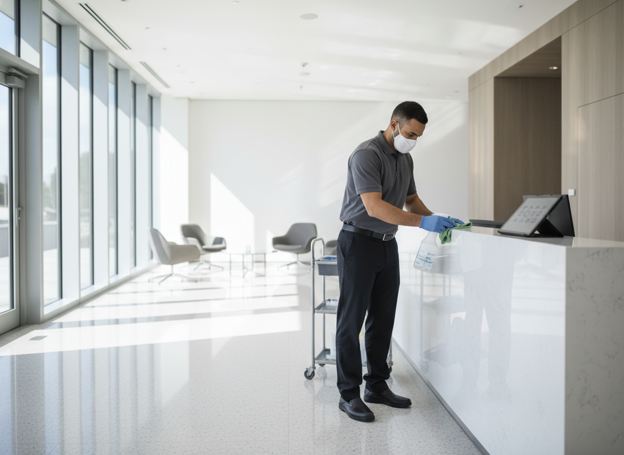

Supplemental Janitorial Services — The Missing Layer That Keeps Buildings Truly Clean
Even with a solid janitorial routine, most facilities still need supplemental services. Why? Because daily cleaning focuses on what's visible & urgent, trash, restrooms, floors, & touchpoints. Supplemental janitorial handles the deeper, less frequent tasks that prevent buildup, odors, wear, & "that dingy look" that slowly shows up over time.
This blog explains what supplemental janitorial services are, when they're needed, & how to build them into your cleaning plan without disrupting operations.
What Are Supplemental Janitorial Services?
Supplemental janitorial services are scheduled add-ons that go beyond daily or standard cleaning. They target:
- Buildup over time (dust, grime, residue)
- Areas that are easy to miss in daily routines
- Deep cleaning needs after events, weather, or seasonal shifts
Common supplemental services include:
- Deep restroom detailing (grout lines, baseboards, behind fixtures)
- High dusting (vents, ledges, ceiling corners, beams)
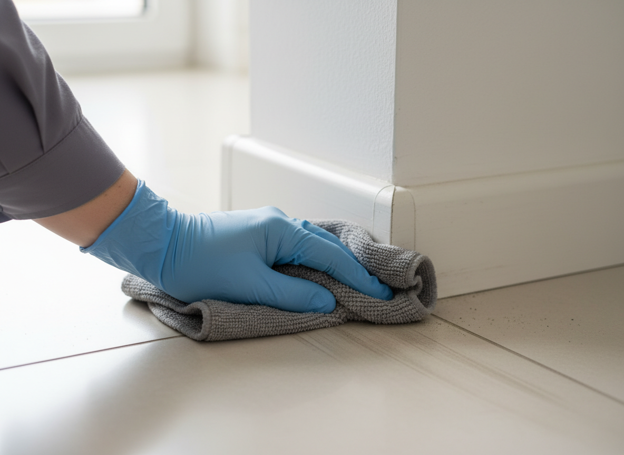
- Detail cleaning (edges, corners, door frames, wall scuffs)
- Floor scrubbing & restoration (especially in hallways & entries)
- Carpet spotting or extraction
- Interior glass & partition cleaning
- Disinfection boosts during flu season or outbreaks
Think of it like maintenance for cleanliness: it keeps the building from slowly slipping backward.
Signs Your Building Needs Supplemental Services
If you're seeing any of these, it's time:
- Floors look dull even after mopping
- Restrooms smell "clean-ish" but never truly fresh
- Dust accumulates on vents, ledges, & corners
- Baseboards & edges look dark or scuffed
- Complaints increase even though cleaning is happening
- Seasonal weather brings in extra dirt & moisture
- You're preparing for inspections, tours, or VIP visits
Daily cleaning can't fix long-term buildup. Supplemental service is what resets the space.
How Supplemental Services Fit Into a Smart Cleaning Plan
A good approach is to schedule supplemental tasks on a rotating basis, such as:
- Monthly: high dusting, detail edges, deep restroom detailing
- Quarterly: floor scrubbing, carpet extraction, interior glass refresh
- Seasonally: entryway deep clean, salt/grit removal, disinfection boosts
This prevents the "big expensive deep clean" that happens only after things get bad.
What the Supplemental Service Process Looks Like
Here's what most facilities can expect:
1) Identify Priority Areas
A walkthrough (or review of complaints) usually pinpoints:
- Entryways & hallways
- Restrooms
- Breakrooms
- High-touch shared spaces
- Corners & edges that collect dust & grime
2) Define the Scope + Frequency
Supplemental services should be written clearly:
- What tasks are included
- Which rooms/areas are covered
- How often they'll happen
- What outcomes you're aiming for (appearance, odor control, hygiene, floor protection)
3) Schedule to Avoid Disruption
Supplemental services often require:
- More time in a space
- Specialized equipment (scrubbers, extractors)
- Dry time (floors, carpets)
Scheduling is key, after hours, weekends, or low-traffic windows.
4) Confirm Results & Adjust
The best plans include:
- Before/after checks
- Notes on recurring problem areas
- Adjustments based on season & building use

What to Ask Before Booking Supplemental Janitorial
- Which tasks are most important for my building type?
- What's the recommended frequency for floors & restrooms?
- How will you avoid disrupting staff/tenants?
- What equipment/products will be used?
- How do you measure "done right" (checklist, inspection, photos)?
Final Takeaway
Supplemental janitorial services are what keep a building from gradually looking worn, dusty, or "not quite clean." They protect your facility's appearance, reduce complaints, & extend the life of floors & surfaces, without needing constant emergency deep cleans.
Accountable Custodial & Maintenance, Inc.
Serving Western Washington (Everett to Issaquah, Olympia, and Silverdale)
Email:
info@accountablecm.com
Phone:
(425) 681-4282
Recent Posts