



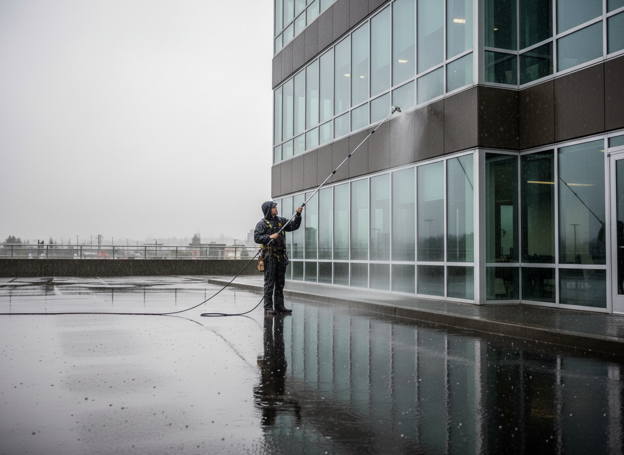
A Facility-Friendly Window Washing Plan (Built for Puget Sound Weather)

November 9, 2026

Share this article

Step 3: Plan around access + safety in wet conditions

Wet sidewalks and wind can change the setup:

  • More attention to pedestrian routing and slip prevention
  • Adjustments for wind limits when lifts or rope access are involved
  • Scheduling around storm days to avoid poor results and safety risks

Step 2: Pick a frequency that matches the season

A practical Puget Sound approach:

  • Fall/Winter: focus on high-visibility areas more often (entries get hammered by rain splash and foot traffic).
  • Spring: plan a “reset” clean after winter grime.
  • Summer: ideal for broader building washes and detail work because you get longer dry windows.
  • High-visibility glass: entry doors, lobby glass, conference rooms
  • Mid-visibility glass: common areas, stairwells, main corridors
  • Low-visibility glass: rear elevations, storage areas, mechanical-side windows


This matters even more in winter, when darker days and wet glass make smudges and streaks stand out.


Step 2: Pick a frequency that matches the season

A practical Puget Sound approach:

  • Fall/Winter: focus on high-visibility areas more often (entries get hammered by rain splash and foot traffic).
  • Spring: plan a “reset” clean after winter grime.
  • Summer: ideal for broader building washes and detail work because you get longer dry windows.

If you manage a building in the Puget Sound region, window washing schedules can’t be “set it and forget it.” Rainy months, wind events, and short daylight windows can shift what’s realistic—and what keeps windows looking consistently clean.

Step 1: Identify your “visibility zones”

  • High-visibility glass: entry doors, lobby glass, conference rooms
  • Mid-visibility glass: common areas, stairwells, main corridors
  • Low-visibility glass: rear elevations, storage areas, mechanical-side windows

This matters even more in winter, when darker days and wet glass make smudges and streaks stand out.

Step 2: Pick a frequency that matches the season

A practical Puget Sound approach:

  • Fall/Winter: focus on high-visibility areas more often (entries get hammered by rain splash and foot traffic).
  • Spring: plan a “reset” clean after winter grime.
  • Summer: ideal for broader building washes and detail work because you get longer dry windows.

Step 3: Plan around access + safety in wet conditions

Wet sidewalks and wind can change the setup:

  • More attention to pedestrian routing and slip prevention
  • Adjustments for wind limits when lifts or rope access are involved
  • Scheduling around storm days to avoid poor results and safety risks

Step 4: Confirm what “clean” includes

Make sure the scope spells out:

  • Frames and sills vs. glass-only
  • Screen cleaning (if applicable)
  • Hard-water spotting and mineral deposit options
  • Any limitations during heavy weather weeks

Takeaway: The best plans in Puget Sound are seasonal—more frequent touch-ups in wet months, bigger full-building cleans in the dry season.

Accountable Custodial & Maintenance, Inc.
Serving Western Washington (Everett to Issaquah, Olympia, and Silverdale)
Email:
info@accountablecm.com
Phone:
(425) 681-4282 

Recent Posts

November 6, 2026
Exterior window washing sounds simple until you factor in height, access, and weather. In the Puget Sound area, the weather adds a few extra challenges: long wet seasons, wind-driven rain, moss/algae growth on nearby surfaces, and months of grime getting “re-wet” instead of rinsed away. What gets cleaned (beyond the glass) A thorough exterior window service often includes: Glass panes (removing film, pollen, salt air near the water, and road grime) Frames (where runoff and oxidation can stain) Sills and ledges (debris zones that hold moisture) Screens (when applicable) Tracks (more common on ground-level/operable windows)
October 30, 2026
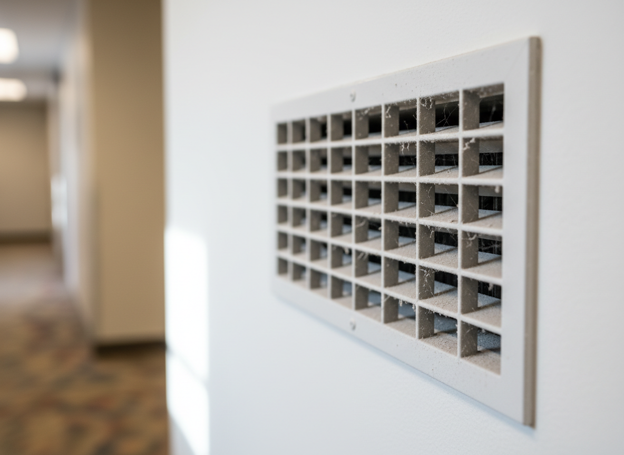
Most people hear “HVAC cleaning” and picture someone vacuuming a vent. In reality, HVAC systems have multiple components that collect dust, debris, and moisture—and each part affects airflow, comfort, and indoor air quality in different ways. The main areas HVAC cleaning can include Air ducts (supply + return): Where dust and debris can build up over time, especially after construction, remodels, or years of heavy use. Registers and grilles: The visible vent covers. These often show dust first, but they’re only one piece of the system. Coils (evaporator coil): Coils can collect dust and biofilm. When coils are dirty, airflow and heat exchange can be reduced. Blower components: Fans and blower housings can hold dust that impacts airflow and system efficiency. Drain pans and drain lines: Moisture collects here. If not maintained, it can contribute to odors and microbial growth. Air handler cabinet: The interior housing that can accumulate dust and debris.

By Accountable Custodial & Maintenance, Inc. • October 23, 2026
How to build a janitorial scope of work covering both full-service janitorial and supplemental services, so your facility stays consistently clean with measurable results.

By Adam Murphy • October 16, 2026
If you manage a building, HVAC cleaning usually comes up after complaints: dust, odors, hot/cold spots, or “the air feels off.” The tricky part is knowing whether HVAC cleaning will actually solve the problem—or if the issue is filtration, humidity, or maintenance.  Here’s a practical way to think through it.
October 9, 2026
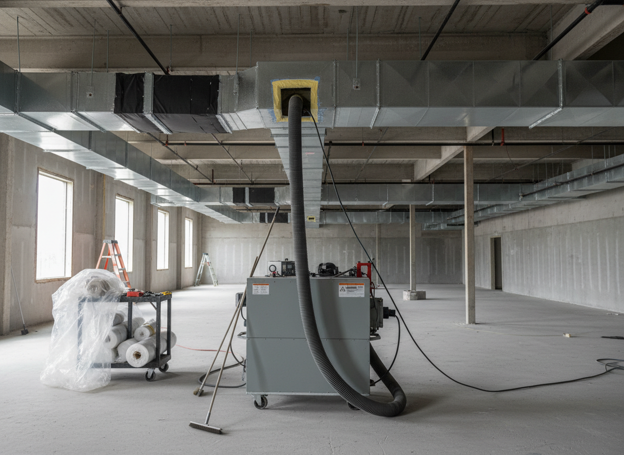
If you’ve never scheduled HVAC cleaning before, it can feel like a black box: What are they doing up there? How do you know it worked? How do you keep dust from ending up everywhere? Here’s a clear, start-to-finish overview of what a professional HVAC cleaning appointment often includes. Before the cleaning: walkthrough + scope confirmation A provider should confirm: Equipment locations (air handlers, mechanical rooms, roof access) What’s included (ducts, coils, blower, drain pan, registers) Access needs (keys, escorts, ladder/lift requirements) Protection plan for occupied spaces
October 2, 2026
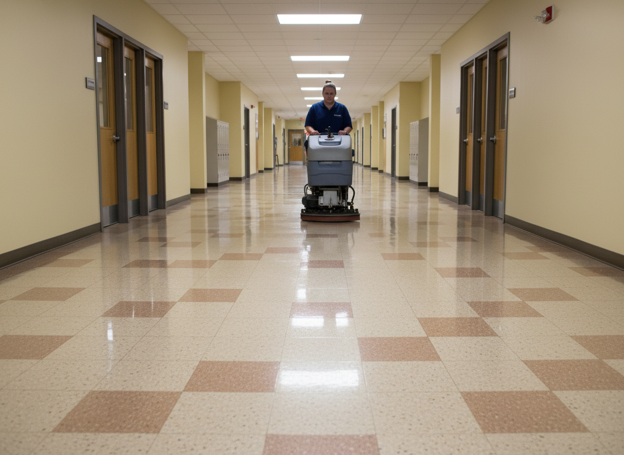
What supplemental janitorial services are, when they're needed, and how to build them into your cleaning plan without disrupting operations.
October 2, 2026
A breakdown of what full-service janitorial includes, why it differs from basic cleaning, and what the process looks like from walkthrough to ongoing quality control.