



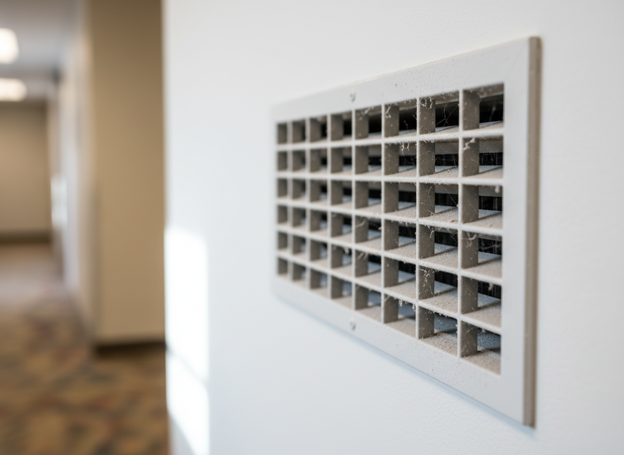
Most people hear “HVAC cleaning” and picture someone vacuuming a vent. In reality, HVAC systems have multiple components that collect dust, debris, and moisture—and each part affects airflow, comfort, and indoor air quality in different ways. The main areas HVAC cleaning can include Air ducts (supply + return): Where dust and debris can build up over time, especially after construction, remodels, or years of heavy use. Registers and grilles: The visible vent covers. These often show dust first, but they’re only one piece of the system. Coils (evaporator coil): Coils can collect dust and biofilm. When coils are dirty, airflow and heat exchange can be reduced. Blower components: Fans and blower housings can hold dust that impacts airflow and system efficiency. Drain pans and drain lines: Moisture collects here. If not maintained, it can contribute to odors and microbial growth. Air handler cabinet: The interior housing that can accumulate dust and debris.

How to build a janitorial scope of work covering both full-service janitorial and supplemental services, so your facility stays consistently clean with measurable results.

If you manage a building, HVAC cleaning usually comes up after complaints: dust, odors, hot/cold spots, or “the air feels off.” The tricky part is knowing whether HVAC cleaning will actually solve the problem—or if the issue is filtration, humidity, or maintenance. Here’s a practical way to think through it.
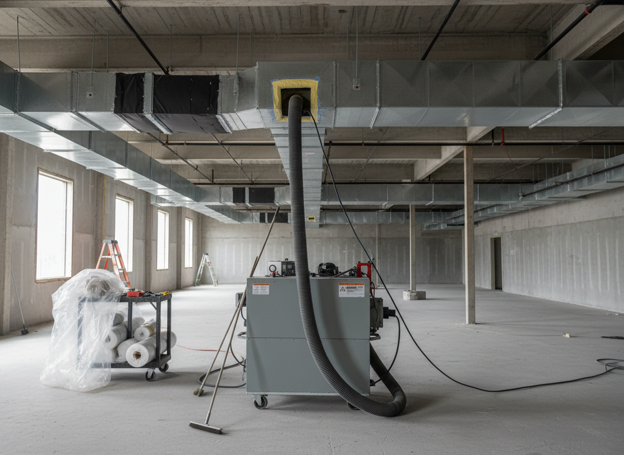
If you’ve never scheduled HVAC cleaning before, it can feel like a black box: What are they doing up there? How do you know it worked? How do you keep dust from ending up everywhere? Here’s a clear, start-to-finish overview of what a professional HVAC cleaning appointment often includes. Before the cleaning: walkthrough + scope confirmation A provider should confirm: Equipment locations (air handlers, mechanical rooms, roof access) What’s included (ducts, coils, blower, drain pan, registers) Access needs (keys, escorts, ladder/lift requirements) Protection plan for occupied spaces
What supplemental janitorial services are, when they're needed, and how to build them into your cleaning plan without disrupting operations.
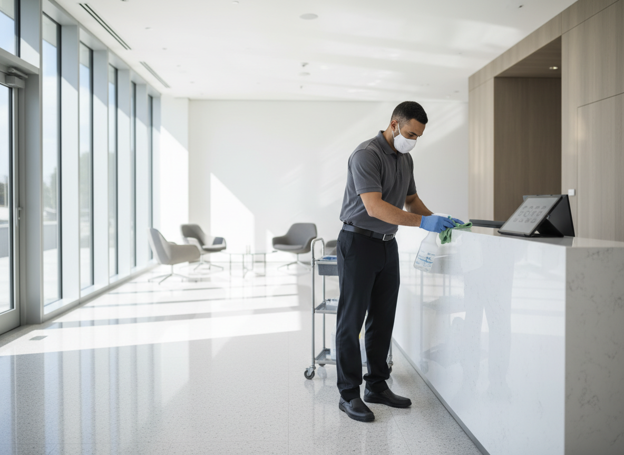
A breakdown of what full-service janitorial includes, why it differs from basic cleaning, and what the process looks like from walkthrough to ongoing quality control.